


Why Spring Moisture Brings Silverfish, Earwigs, and Centipedes Into Your Home

Updated for 2026

Spring storms and poor drainage raise humidity and create wet microhabitats at foundations that attract moisture‑seeking arthropods like silverfish, earwigs, and centipedes. Primary fixes are simple: divert water away from the foundation (gutters, downspout extenders, grading, move mulch), seal gaps at and just above grade, and manage basement humidity with a dehumidifier set near 45% RH. Combine exterior drainage, exclusion, and targeted monitoring to prevent repeat incursions.

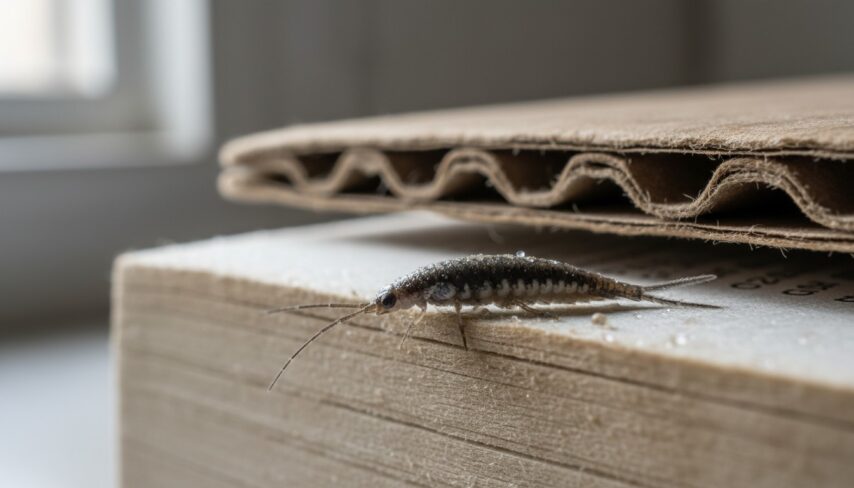
silverfish

Spring storms often leave your yard and foundation wetter for longer, creating the exact microhabitats that moisture‑seeking arthropods find irresistible. As soil and mulch stay saturated and humidity rises near the foundation, species such as silverfish, earwigs, and centipedes move toward drier, more stable refuges often your basement, crawlspace, or the lower levels of your home.

The primary fixes are straightforward: stop exterior water from contacting the foundation, aim for an indoor relative humidity near 45% (±5%), and seal gaps at and just above grade where pests commonly enter. If you focus one weekend on gutters, grading, mulch placement, door sweeps, and a basement dehumidifier, you can substantially reduce the pull these pests have on your home.

Quick facts

Maintain indoor relative humidity between 30–50% to limit mold and moisture‑dependent pests; 45% is a practical target for basements.

Extend downspouts 3–6 feet so runoff clears the foundation; moving mulch 6–12 inches away from siding cuts a common pest pathway.

Centipedes are predatory: seeing centipedes indoors often indicates another pest population ( springtails, silverfish, roaches) or chronic dampness.

Why spring moisture triggers pest activity

Many small arthropods use elevated humidity and mild spring temperatures as natural cues for dispersal, mating, and egg hatch, so you see more activity after storms. Saturated mulch and soil boost fungal growth and detrital food sources, which in turn creates attractive shelter right along foundation edges.

As temperatures moderate, metabolic rates increase and moisture‑dependent species follow the path of least resistance toward dry, stable places inside your home. For those reasons, storm patterns and surface water management are often the most important drivers of whether you see a few wanderers or a repeating problem.

What each species is seeking

Silverfish look for dark, humid microclimates typically local relative humidity above 60% and they feed on carbohydrates such as starches and cellulose in books, wallpaper paste, cardboard, and old adhesives. Because silverfish are nocturnal and avoid light, you are most likely to find them in basements, bathrooms, and undisturbed storage areas where humidity and food sources coexist.

Earwigs seek moisture and sheltered crevices and will shelter in damp mulch, under stones, or along wet thresholds at night; when mulch or irrigation touches siding, earwigs commonly use that contact as a pathway indoors.

Centipedes are predatory and follow prey like springtails, silverfish, and small roaches, so persistent centipedes inside usually indicate either chronic dampness or an existing prey population in basements and crawlspaces.

How moisture finds its way inside

Moisture enters your home through both obvious and subtle pathways, including foundation cracks, open perimeter gaps, leaking windows or doors, and downspouts that discharge too close to the foundation. Indirect routes are equally important: mulch touching siding, poor grading that channels runoff toward the house, and saturated soil that raises sub‑slab moisture can all elevate indoor relative humidity.

Interior sources such as leaking appliances, unvented dryer or bathroom vents, and overwatered houseplants compound the problem by adding humidity where pests can capitalize on it. To cut off moisture at the source, you need to address both exterior drainage and interior humidity sources in tandem.

How to identify and assess severity

You can identify these pests by simple visual characteristics and by the types of damage they leave: silverfish are silvery and carrot‑shaped with three tail projections, earwigs are elongated with forceps‑like pincers on the rear, and centipedes have many segments with one pair of legs per segment and a fast, predatory gait.

Damage signs include chewed paper edges and V‑shaped nibbles in wallpaper and books for silverfish, clusters under landscape lights or in mulch for earwigs, and the presence of prey species or roach nymphs when centipedes are common. Treat an isolated post‑storm sighting as low priority, but escalate your response when you see repeated daytime activity, multiple individuals per week over two-plus weeks, or actual damage to stored goods.

Practical spring moisture control and exclusion

Start with exterior moisture control because it delivers the highest return: clear gutters, extend downspouts, correct grading, and pull mulch away from siding so water drains away from the foundation. Next, focus on exclusion by sealing gaps at and just above grade and installing door sweeps and weatherstripping to remove easy entry points.

After you reduce exterior moisture and block access, manage interior humidity with a properly sized dehumidifier and verify conditions with a digital hygrometer to hold basement RH around 45–50%. Finally, monitor with traps and use targeted, low‑toxicity measures only if monitoring shows persistent activity.

Weekend action plan (48 hours)

Begin by cleaning gutters and downspouts and ensuring runoff clears the foundation; extend downspouts 3–6 feet where possible so water exits well away from your home. Pull mulch and plant material back 6–12 inches from siding and replace the immediate edge with gravel or a no‑mulch strip; while you are outside, check grading and aim for a slight slope that moves runoff away from the house.

Seal visible exterior gaps at and just above grade with exterior silicone caulk or backer rod plus foam where needed, and install door sweeps and weatherstripping to close easy entry points. Inside, set a basement dehumidifier to 45–50% RH and verify readings with a digital hygrometer, emptying the reservoir or plumbing the unit to a drain as appropriate; also move cardboard, books, and fabrics into sealed plastic bins and raise stored items off concrete floors on shelving at least six inches.

Finally, place sticky monitoring traps in closets, basements, and behind appliances to detect nocturnal activity, check them weekly, and plan to escalate only if counts rise over time or damage appears.

Targeted monitoring and low‑toxicity controls

Use sticky traps along baseboards and inside cabinets to quantify nocturnal activity before you apply treatments so you can judge whether problems are increasing or fading. For nonchemical exclusion, apply food‑grade diatomaceous earth sparingly in voids and along inaccessible perimeters, keeping it away from areas accessible to pets and children, and use rolled damp newspaper or simple beer traps to capture earwigs locally at night.

Avoid broad, indiscriminate outdoor insecticide applications because they can kill predators and disrupt the ecosystem, potentially making the problem worse. Rely instead on habitat correction and targeted, low‑toxicity measures as a more sustainable long‑term approach.

When to consider pesticides

Follow an integrated pest‑management hierarchy: correct habitat first, monitor second, and use pesticides only as a last resort after you have documented persistent activity. If chemical control becomes necessary, choose labeled perimeter treatments or targeted baits and desiccants applied into voids and follow label directions and personal protective equipment recommendations such as gloves and eye protection.

A reasonable trigger for chemical escalation is repeated sightings (multiple individuals per week for two or more weeks), observed damage to stored items, or confirmed infestation in inaccessible voids. When in doubt, obtain professional identification before purchasing broad‑spectrum products so you treat the right target and avoid unnecessary exposures.

When to call a professional

Contact a licensed pest‑management professional if repeated sightings persist despite your fixes for two or more weeks, if you find damage to irreplaceable items such as books or textiles, or if moisture problems appear structural sub‑slab moisture, chronic crawlspace dampness, hidden leaks, or required grading work.

Ask the technician to perform a moisture‑first inspection that documents relative humidity readings in basements and crawlspaces, identifies likely entry points, and provides a prioritized remediation plan emphasizing exclusion and drainage over repeated sprays. Request clear documentation of findings and a written plan so you can compare recommended corrections and costs. A professional can also coordinate with contractors for grading, sump pump work, or crawlspace encapsulation when those fixes are required.

Cost and return on investment

Many effective measures are inexpensive and deliver immediate payoff: door sweeps, caulk, sticky traps, and gutter cleaning tools commonly fall in the $20–$150 range and often stop seasonal incursions. Moderate investments such as a quality dehumidifier, downspout extenders, or professional gap sealing typically range from $300–$1,500 and significantly reduce repeat service calls.

Major remediation foundation grading, new sump pumps, or crawlspace encapsulation often exceeds $2,000 but protects stored possessions and lowers the risk of mold remediation or loss of heirlooms. Given those outcomes, prioritizing drainage and humidity control usually yields a clear financial and practical return for homeowners.

Seasonal maintenance and timing

Before the main rainy season each spring, clean gutters, pull mulch back from siding, inspect downspouts, service dehumidifiers, seal obvious gaps, and move boxes off concrete floors to reduce vulnerability. During spring and summer, monitor sticky traps monthly, check for new leaks after heavy rains, and review grading and mulch placement after major storms to ensure your defenses remain effective.

If basement or crawlspace relative humidity regularly exceeds 55% or you notice condensation or mold growth, schedule a professional crawlspace inspection as part of annual maintenance. Staying ahead with these seasonal checks prevents problems from developing into costly repairs.

Common Questions

Will a dehumidifier solve my problem? A dehumidifier is a powerful tool but it only addresses interior humidity, not the root cause if exterior drainage is allowing moist ground or downspout runoff to contact the foundation. You should run the dehumidifier to hold basement RH around 45–50% while you correct exterior grading, extend downspouts, and pull mulch away from the house. Verify performance with a digital hygrometer and address any persistent high readings with professional evaluation of sub‑slab or crawlspace moisture.

How long before I see fewer pests after I make fixes? You will often see immediate reductions in perimeter activity after fixing gutters, grading, and mulch placement, but indoor populations tied to stored food or long‑standing humidity can take weeks to decline. Continue monitoring with sticky traps and visual checks for at least two weeks; if indoor counts drop and damage stops, the remediation is working. If you still see multiple individuals weekly after two-plus weeks, escalate to targeted treatments or professional help as appropriate.

Pests Moving Indoors For Winter?

Connect with a local exterminator and protect your home fast.

(866) 470-1609

Available Next Day

No Obligation Assessment

Guaranteed Results