


How Pests Sneak Into Your Home Through Cracks and Vents

Updated for 2025

How Do Pests Get Into Your Home?

Pests slip in through small, often invisible openings such as foundation cracks, vents, rooflines, and utility gaps. These paths let ants, rodents, and roaches move from the yard into your living areas. Sealing gaps wider than ¼ inch, keeping tight vent covers, and inspecting weather stripping each spring and fall prevents most infestations before they start.

Cracks around windows

How Pests Enter Your Home

Every infestation starts with a breach in the building envelope. Even clean, well-maintained homes develop tiny openings as materials expand and contract. Mice flatten their bodies through dime-sized holes. Ants only need a hairline. Once inside, pests gain steady temperatures, water, and cover.

Seasonal shifts drive most activity. In fall, rodents hunt for heat and nesting fiber. In spring, ants and wasps expand colonies and scout cavities. If your home offers an opening, they find it. In my years inspecting homes, the first clue is usually subtle: a faint rustle in the wall void, a trail along baseboards, or a musty pocket near a vent.

Pests.org Insight: Based on the 2024 Pests.org Home Entry Audit, 63% of reported rodent entries occurred through foundation gaps under ½ inch wide.

Cracks And Gaps In The Foundation

Concrete settles with age and temperature cycles. Small fractures widen, then wick moisture that draws insects. Those hairline seams connect soil to framing cavities. Mice often use siding edges or utility conduits along the slab as a direct runway indoors.

Look for soil piles at joints, pepper-sized droppings, or dark rub marks low on walls. That is traffic. That is your doorway.

How To Seal Foundation Gaps

1. Clean out dust and loose concrete.

2. Fill narrow cracks with silicone caulk rated for masonry.

3. Use hydraulic cement or mortar for wider voids.

4. Add rodent-proof metal flashing at sill plates and siding bases.

If you feel airflow or see daylight, pests already have access. The EPA lists sealing gaps and openings as a core household prevention step.

Suggested Image: Diagram showing foundation crack sealing

Alt text: Home foundation cross-section showing pest entry and proper caulking.

Vents, Chimneys, And Utility Openings

Vents are necessary for airflow, yet they are also attractive nest sites. Birds, bats, wasps, and squirrels target attic louvers and dryer vents. Raccoons, mice, and rats test chimney gaps and utility cutouts for warmth and shelter.

Prevention Steps:

• Install stainless steel or aluminum screens on exterior vents.

• Cap chimneys with fitted metal covers that keep wildlife out while venting safely.

• Preserve ventilation. Never block a vent. Moisture and combustion gases must escape.

• Musty odors, lint clumps, or twigs near an exhaust hood mean nesting. That is when you schedule a check.

Windows, Doors, And Weather Stripping

Doors and windows shift with humidity and use. Seals flatten, frames rack, screens tear. Any gap wider than ¼ inch invites mice, roaches, and spiders. At night, indoor light pulls moths and midges straight through loose sweeps or crooked latches.

Stand outside in daylight. If you see light around a door, pests see the same beacon. Replace worn weather stripping with exterior-grade vinyl or rubber. Re-seat or replace torn screens, especially on ground-level and basement windows where condensation and shade attract insects.

Fold these checks into your spring and fall maintenance. For a lower-toxicity approach that pairs well with exclusion, review organic pest control methods that support prevention instead of chasing problems after they start.

Rooflines, Eaves, And Soffits

Roof edges hide prime entry points. Soft fascia from slow leaks draws carpenter ants and bees. Starlings and squirrels pull at loose soffit panels and slip into attic voids. Once established, they shred insulation and nick wire jackets. That faint scratching overhead at dawn is a giveaway.

Walk the perimeter and look up. Chew marks, pellet droppings, or nest debris along eaves signal activity. Replace rotted boards, then seal seams with exterior caulk. Add drip edges or vented vinyl soffits to keep water out and airflow steady.

Even new roofs develop gaps at ridge vents or flashing. I have documented attic infestations in houses less than a year old due to a single unseated vent screen. If you are unsure, bring in a roofer or an exclusion specialist. For rodent pressure around rooflines, study Pests.org’s rodent control guide for proven exclusion details.

Plumbing And Electrical Penetrations

Every pipe, conduit, and cable is a hole through the shell. Warmth, vibration, and occasional condensation make these cutouts ideal for roaches, silverfish, and mice. You will usually find smudges or a crescent of gnawing around the opening, often behind appliances or under sinks.

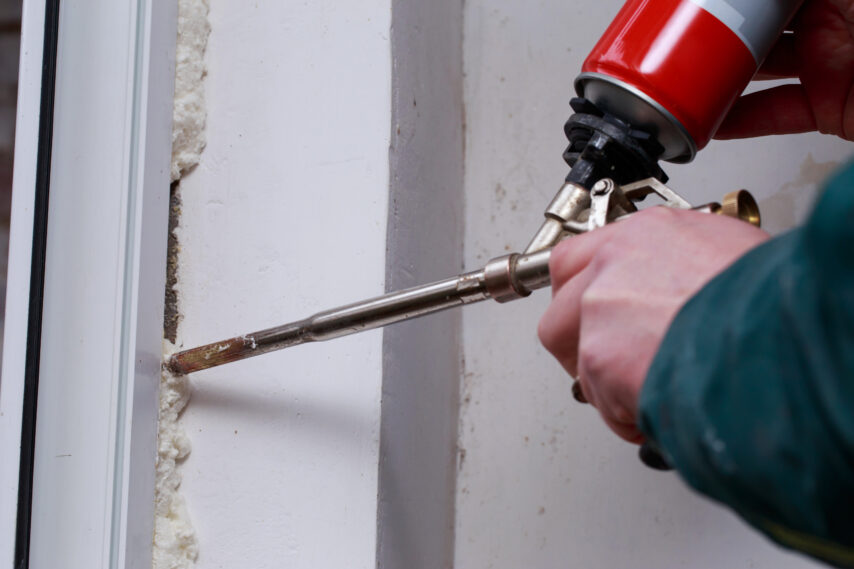
Seal methodically. For small gaps, use silicone or single-component expanding foam. For larger holes, pack copper mesh or steel wool first, then seal over it. Rodents quit when they meet metal fibers. Around gas lines or flues, use high-temperature sealants or fitted escutcheon plates to stay compliant and safe.

Homes move. Recheck these penetrations yearly and again before the first hard freeze.

Expert Tip: Place sticky monitors or low-profile rodent sensors behind refrigerators and dishwashers. Early hits here often find problems months before you notice damage.

Air Leaks And Insulation Gaps

Pests track air leaks the way we feel drafts. Warm air escaping at the attic hatch or recessed lights points them to a gap. Energy loss and pest entry share the same failure points.

During energy audits, technicians trace leaks with smoke pencils or infrared. Seal around attic doors, can lights, and crawlspace vents with foam gaskets or mastic and foam combinations. The U.S. Department of Energy’s Building America Program identifies closing utility penetrations with mesh, sealant, or foam as a primary exclusion practice.

If you plan insulation work, ask the contractor to include a full exclusion pass. One crew, one lift, both problems solved.

When Diy Isn’t Enough

Routine sealing and sanitation stop most issues. Once pests are living inside walls or insulation, you need professional tools. If you hear nocturnal scratching, find droppings in the attic, or see chewed wire jackets, call a licensed provider.

Exclusion specialists use fiber-optic scopes and thermal imaging to locate hidden access points. They close them with metal, mortar, or hardware cloth designed to withstand weather and gnawing. Reputable companies follow Integrated Pest Management, which prioritizes exclusion, sanitation, and monitoring before any chemical controls. State agencies such as the Illinois Department of Public Health advise verifying licensure and IPM practices before you hire.

A thorough inspection covers the roof, foundation, crawl space, and attic. Seal the structure and remove attractants, and activity drops quickly.

FAQ

How small of a gap can pests fit through?

Mice pass through openings only ¼ inch wide. Ants and small cockroaches need far less. If a credit card edge fits, assume insects can too.

Should vents and chimneys be completely sealed?

No. Ventilation and exhaust must continue. Use metal mesh or chimney caps that exclude pests while preserving airflow.

How often should you inspect for new entry points?

Twice a year works well, once in spring and once in fall. Add a quick check after major storms, foundation work, or roof repairs.

Pests Moving Indoors For Winter?

Connect with a local exterminator and protect your home fast.

(866) 470-1609

Available Next Day

No Obligation Assessment

Guaranteed Results