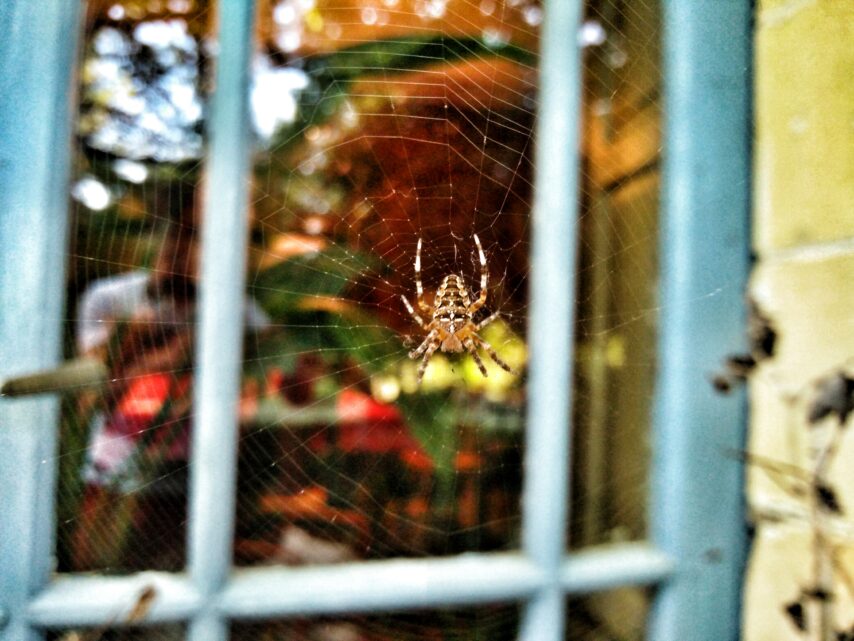
Why You See More Spiders in Fall and What’s Really Going On

Updated for 2025

Are spiders actually worse in the fall, or do they just seem that way?

They only seem worse. During Fall, spider sightings increase because adult males leave their webs to find mates, not because new spiders are pouring into your home. Most of what you see has been there for months, now more visible as temperatures ease and mating peaks.

spider-web-on-house

Are Spiders Worse In Fall? Separating Myths From Facts

Spiders live in and around homes all year. Autumn just puts them on the stage. Corners sprout fresh silk, cellar spiders hover along ceilings, and a big, long-legged male will wander across the hallway at night. It feels like an invasion. It isn’t. It is normal biology playing out in a place you can finally see it.

Once you understand the timing and the triggers, you can cut down sightings, prevent web build-up, and keep populations in check with simple steps.

The Fall Spider Surge: Perception Vs. Reality

Every September and October, service calls about spiders spike. It looks like a boom but it is really a shuffle. Fall is mating season, and mature males start moving.

They leave webs, travel along walls and baseboards, and follow faint chemical cues from females. That roaming brings them into bathrooms, basements, and well-lit rooms where you notice them. In my inspections, the moment that prompts a call is predictable: a single giant house spider in the tub or crossing tile at 10 p.m. That spider likely lived nearby all summer, out of sight.

Outdoor species such as orb weavers fade with the first hard frost. Indoor-adapted species, including Parasteatoda tepidariorum and Pholcus phalangioides, keep going inside your home where conditions are stable. They are not seeking warmth so much as completing their life cycle. Utah State University Extension documents this seasonal visibility as typical spider behavior, not an influx.

The Biology Behind The Season

Shortening day length and cooler evenings push many species into maturity. By late summer, males are fully grown and driven to find receptive females before true winter arrives. That drive overrides caution, which is why you suddenly spot them in plain view.

Spiders are solitary. Mating is one of the few times adults seek contact. A male that leaves his web rarely comes back to it. Indoors, steady humidity and room temperatures near 70°F keep spiders active long after outdoor activity slows, especially in basements and crawl spaces where conditions barely change week to week.

Outdoors, insect numbers drop, so web placement shifts. Webs collect near porch lights and window frames where moths and gnats gather. Inside, webs drift toward vents and windows that move air and carry small flies. Strategic hunting, not invasion. Patterns described in Utah State University’s Hobo Spider Study mirror what I see across North America.

What Really Draws Spiders Indoors

They pick spots that offer prey, moisture, and structure. Kitchens, bathrooms, and basements check those boxes. If you are seeing more spiders, you already have small insects present. Fruit flies, gnats, phorid flies, a few ants—enough food to support a web for weeks. Remove the prey and spiders follow suit.

Structural entry points: Cracks wider than ¼ inch around doors, vents, or utility lines let insects in, and spiders follow. Two of the most common routes I find are dryer vents without tight covers and cable or internet penetrations that were never sealed. Once inside, cluttered storage, stacked boxes, and shelves create ideal anchor points.

Lighting influence: Exterior bulbs lure insects, which feed spiders. Replace bright white bulbs with yellow bug lights or motion-activated LEDs to cut food near doors and windows. The NC State Extension guide highlights lighting control as a practical way to reduce webs at entry points.

Myths That Keep Circulating

Myth 1: Killing a spider attracts more.
False. Spiders do not release a call signal. If you see another afterward, it was already nearby.

Myth 2: All indoor spiders came from outside.
Many are indoor specialists. Cellar spiders and yellow sac spiders thrive in the dry, stable air of modern homes. They struggle outdoors over time.

Myth 3: Spiders come in because it is cold.
Outdoor species overwinter under bark, in leaf litter, or in soil, protected by natural antifreeze compounds. The surge you notice inside is mating behavior, not a migration. Colorado State University Extension supports that fall movement is biologically driven, not temperature-driven.

How To Manage Fall Spider Activity At Home

Use Integrated Pest Management first. Focus on sanitation, exclusion, lighting, and monitoring before you reach for a spray.

Step 1: Sanitation
Vacuum webs, egg sacs, and corners each week. Empty the canister outdoors. Dust light fixtures, vents, and window frames to remove favorite anchor points.

Step 2: Reduce Prey Insects
Fix moisture issues, keep food sealed, and clean drains. Without flies and gnats, spiders lose their reason to stay. For a deeper walkthrough, see our guide on how to get rid of spiders.

Step 3: Exclusion
Seal cracks wider than ¼ inch with caulk or weatherstripping. Replace torn screens. Check cable, gas, and HVAC penetrations and close those gaps.

Step 4: Lighting and Outdoor Control
Switch to yellow bulbs or motion lights. Trim vegetation 12 to 18 inches from the foundation. Remove stacked firewood and dense shrubs that shelter insects and webs.

Step 5: Monitoring
Place sticky traps along baseboards and behind furniture. Check monthly and replace. Track catches so you know where activity concentrates.

Chemical sprays are a last resort. Use targeted residual products only when needed and follow EPA labels closely. In my practice, mechanical control—cleaning, sealing, lighting changes—solves the vast majority of spider complaints without chemicals.


Seasonal Prevention And Long-Term Control

After the fall peak, maintenance keeps numbers low. Keep vacuuming webs and removing egg sacs. That single step prevents new spiderlings in spring.

Sticky traps in basements or garages help you spot trends early. Essential oils such as peppermint or citronella can deter activity at entry points for a short time, but they work best alongside sealing and sanitation. If you want to understand where natural options fit, review our article on what you need to know about spiders.

Maintain a vegetation-free band around the foundation. Store bins off the floor. Keep indoor humidity moderate. A few spiders indoors are normal and helpful. They quietly remove flies and gnats. Your goal is balance, not zero.

If you see repeated sightings, egg sacs in multiple rooms, or a venomous species such as a brown recluse or black widow, schedule a professional inspection. Targeted treatment and a quick fix to the underlying conditions usually follow.

Pests.org Insight Hook
Based on Pests.org’s Pest Trend Survey, 63 percent of homeowners report more spider sightings in fall, especially in basements and bathrooms. The timing tracks closely with mating season rather than weather events.

Seeing More Spiders This Fall?

Connect with a local exterminator and protect your home fast.

(866) 470-1609

Available Next Day

No Obligation Assessment

Guaranteed Results