Why Pests Invade Homes When Temperatures Drop: Fall Pest Behavior Explained

Updated for 2025

As temperatures fall, pests like mice, cockroaches, and stink bugs seek warmth and shelter inside homes. Knowing how weather affects pest behavior helps homeowners prevent infestations using practical IPM steps.

Trapper-t-rex_1

When outdoor temperatures begin to fall, pest behavior changes fast. Insects and rodents that spent summer outside start searching for warmth, shelter, and food. This seasonal shift, called overwintering, is a natural survival instinct, but it often brings pests into homes.

Fall doesn’t create new pests. It simply pushes existing populations indoors. Once nights dip below 50°F, insects and rodents start looking for stable heat and protection from cold weather. Knowing why this happens helps you stop infestations before they settle in for winter.

How Temperature Changes Affect Pest Biology

Insects are cold-blooded, meaning their activity depends entirely on surrounding temperatures. When it cools down, many enter diapause, a state similar to dormancy that lets them survive with less food and movement. Others look for warm, sheltered places to stay active. Wall voids, basements, and attics provide exactly what they need.

Rodents react differently. House mice, Norway rats, and deer mice stay active all year, but once frost hits, they change their patterns. In my experience inspecting homes in late fall, rodent activity always spikes after the first cold week. Outdoor food disappears, vegetation dies back, and they turn to human spaces for warmth and crumbs.

Daylight and humidity also play a role. Shorter days alter reproduction and foraging, while dry air outdoors drives moisture-seeking pests like cockroaches and centipedes inside bathrooms, crawl spaces, and kitchens.

Common Fall Invaders

Each fall, the same few groups of pests show up in homes across the U.S.

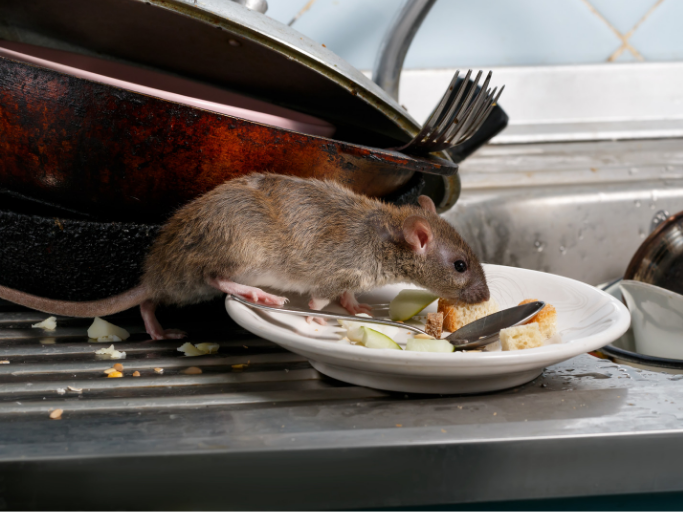
Rodents: House mice, deer mice, and Norway rats can squeeze through openings as small as a quarter inch. They build nests near insulation and appliances that give off heat. If you hear scratching at night or see droppings and chewed packaging, rodents are already inside.

Cockroaches: German and American cockroaches move indoors once temperatures and humidity drop. They gather behind refrigerators, around water heaters, and under sinks. Their droppings and shed skins contaminate surfaces and spread bacteria.

Spiders: You may notice more spiders in fall, but that doesn’t mean there are more of them. Males just become more visible while searching for mates. Their webs can be a clue that insect prey is already living nearby.

Occasional invaders: Stink bugs, boxelder bugs, and Asian lady beetles look for small openings around windows and siding. Once inside, they stay dormant through winter but sometimes emerge on warm days. They’re harmless but can be a nuisance.

Ants: When cool rain arrives, ants move their foraging trails inside. Some colonies even relocate into wall voids or under floors to survive colder weather.

What Attracts Pests Indoors

Pests come inside for three things: warmth, moisture, and food. Your home offers all three when fall weather turns cold.

Cracks in siding, gaps around pipes, and unsealed window frames let them in. Once inside, the steady warmth from heating systems or appliances creates comfortable nesting spots. Basements and attics often hold just enough humidity to keep insects active, especially if ventilation is poor.

Clutter makes it worse. Boxes of decorations, old fabrics, and stored firewood give pests places to hide. Many homeowners bring these items inside in fall and don’t realize they’ve carried bugs or eggs in with them.

Even small crumbs or pet food can sustain pests all winter. Unsealed grains, open cereal boxes, or spills behind appliances make kitchens and pantries perfect habitats.

Signs of a Fall Infestation

Catching early signs makes all the difference before pests become established.

Rodents leave small black droppings near baseboards and shredded insulation in hidden corners. You might also hear scratching or squeaking sounds at night as they move through walls.

Cockroach infestations are easier to smell than see. A musty odor, pepper-like droppings, or dark smear marks around cabinets usually mean they’re active nearby.

Spiders, ants, and stink bugs are more obvious. Webs in corners, trails near sinks, or clusters on window frames all point to a developing infestation. Once winter hits, those populations can expand quickly if not controlled early.

Fall Prevention and Control Strategies

The best defense against seasonal pests is prevention. Integrated Pest Management, or IPM, focuses on blocking entry, removing attractants, and monitoring activity rather than relying on chemicals.

Start by sealing entry points. Fill cracks larger than a quarter inch with silicone caulk or foam sealant. Use steel wool around pipes and vents. Check door weatherstripping and window screens, and repair anything that looks worn.

Keep things dry. Run a dehumidifier in basements, fix leaks fast, and clean gutters so water drains away from the foundation. Most pests won’t stay in dry spaces.

Stay organized. Store food in airtight containers and clean under appliances where crumbs collect. Keep firewood at least twenty feet from your home and off the ground. Don’t bring it inside until you’re ready to burn it.

For monitoring, a few sticky traps near baseboards or under sinks can help you track early activity. For rodents, snap traps are still the most effective and humane option. Avoid using poisons indoors unless handled by a licensed professional.

Professional pest control companies often offer seasonal exclusion services. They inspect entry points, identify moisture problems, and apply targeted treatments before overwintering pests settle in.


When to Call a Professional

Most small pest issues can be handled with sealing and sanitation, but some problems need professional help.

If you hear scratching inside walls, find droppings in multiple rooms, or see cockroaches during the day, the infestation is already well-established. Licensed technicians can inspect hidden areas, use thermal cameras to detect nests, and apply safe, effective materials where homeowners can’t reach.

Professionals follow EPA and NPMA safety standards. Their work often includes attic and crawl space sealing that blocks both rodents and insects. The earlier you schedule a fall inspection, the better. Once pests start nesting indoors, full removal takes longer and costs more. Preventive action in early fall almost always pays off.

Trying to get rid of a Fall Pest Invaders?

Get a FREE Quote & BEST PRICE from a local exterminator

(866) 470-1609

Available Next Day

No Obligation Assessment

Guarantee Results