


Why Pest Control Treatments Work Better in Fall Than Spring

Updated for 2025

Fall pest control works better than spring because pests are entering structures and can be targeted before colonies form. Cooler temperatures extend the life of insecticides, and exclusion measures hold up better in dry weather. Addressing pest activity in fall prevents infestations that would otherwise peak during spring breeding.

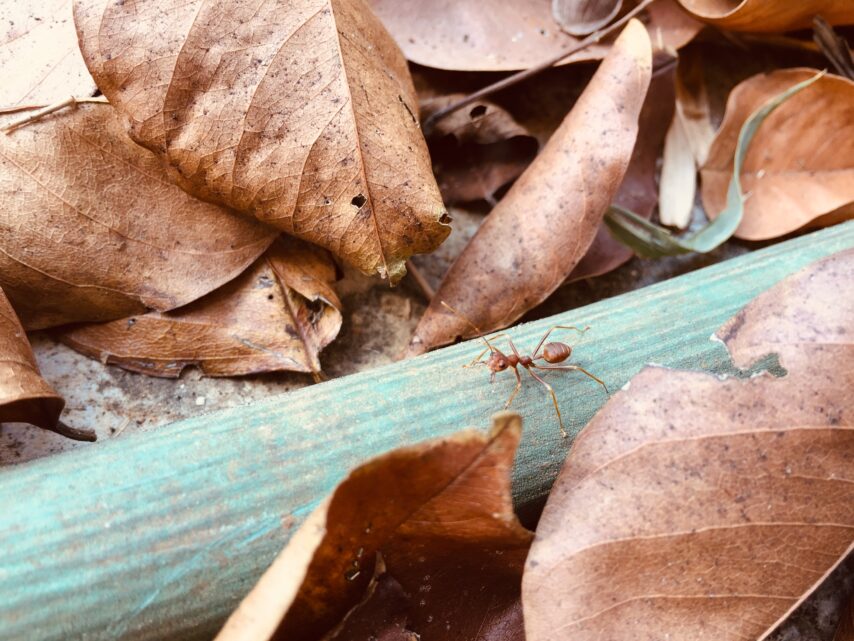
close-up-insect-leaves

Understanding Seasonal Pest Behavior

Pest control success depends on timing. Insects and rodents respond to subtle shifts in temperature, daylight, and moisture. As nights cool and days shorten, pests instinctively move toward warmth and shelter. This transition period, especially in late September through November, is when they begin slipping indoors through foundation cracks, vent openings, and unsealed gaps.

In my experience, homeowners who schedule treatments in fall see a dramatic drop in winter sightings and far fewer issues come spring. The reason is simple: pest behavior becomes predictable, colonies collapse outward from the soil, and activity centers near structures. That is when professional barrier treatments and exclusion work deliver the most lasting protection.

By spring, many species have already settled in. Once temperatures rise, their biology shifts from survival to reproduction. Ants, roaches, and rodents begin breeding, and small unnoticed populations become full infestations within weeks.

Biological and Environmental Triggers

Temperature drives nearly every pest’s behavior. As conditions cool, insects enter a resting phase called diapause, slowing metabolism and conserving energy until spring. Stink bugs, boxelder bugs, and Asian lady beetles cluster on sunlit siding before finding gaps into attics or wall voids. Once they are inside, they stay dormant until warmth returns.

Rodents follow a similar instinct, but with more urgency. When food declines outdoors, mice and rats start exploring foundations and garage openings, often leaving droppings or shredded insulation behind as nesting begins. By mid-fall, most infestations are already forming inside walls or crawlspaces.

Spring reverses the process. Warmer temperatures and moisture push insects back into motion. At that point treatment becomes reactive, focused on what is already inside rather than stopping entry in the first place.

For guidance on safe pesticide use and regulations, see the U.S. Environmental Protection Agency’s pesticide resource center.

The Long-Term Advantage of Fall Treatments

Integrated Pest Management always starts with timing, and fall offers the greatest advantage. Pest populations are lower, reproduction slows, and activity centers on entry points rather than breeding sites. Treatments at this stage interrupt life cycles before pests reproduce, which means less pesticide use and fewer follow-ups later.

Residual products also perform better in cooler conditions. The moderate temperatures of fall slow chemical breakdown, so perimeter barriers last longer. In spring, sunlight and rain degrade those materials quickly. I have seen homes where a single well-applied fall treatment stayed effective through late winter, even under variable climates.

Fall is also ideal for exclusion work. Sealing cracks wider than a quarter inch, repairing foundation vents, and treating structural seams before the first freeze keeps pests from overwintering inside. Dry weather improves caulk adhesion and keeps soil treatments intact, making physical barriers more reliable.

Common Fall Invaders and Their Timing

Rodents are the most urgent fall concern. Once outdoor temperatures dip below 50 °F, they begin nesting indoors, drawn to heat and food availability. Catching that migration window early, before nesting begins, prevents a full winter population from developing.

Spiders and silverfish thrive in quiet, undisturbed areas such as attics and basements. These species prefer stable humidity, and once the home’s HVAC system evens out indoor air, they settle in. A fall inspection and targeted treatment around baseboards, storage zones, and vents can keep populations minimal year-round.

Overwintering insects such as stink bugs, cluster flies, and Asian lady beetles arrive later in the season. They gather on sunlit exterior walls, usually on the south or west side of a home, and slip inside through vent screens or siding gaps. Once settled, they are nearly impossible to remove until spring. Exterior treatments in late September or October prevent them from reaching that stage.

Each of these pests follows a seasonal rhythm, and addressing them during that migration period is far more effective than treating after they have established themselves indoors.

Why Spring Treatments Are Less Efficient

By spring, pest populations are already active. You are not preventing an invasion, you are managing one. Ant colonies expand rapidly once soil warms, and their satellite nests can form in wall voids or near plumbing lines. Roaches and silverfish reproduce faster under humid conditions, often requiring multiple follow-ups to achieve control.

Spring weather also reduces chemical reliability. Rain and high humidity degrade perimeter sprays within days, especially on shaded or porous surfaces. Treatments need more frequent renewal, and by that time pests already have a head start on breeding. Ants, in particular, tend to split colonies when disturbed in spring, spreading infestations to new areas.

When treatments begin in fall instead, pest numbers drop before breeding begins. One precise application combined with exclusion work typically protects a structure through the entire winter and into early spring, minimizing chemical use and long-term costs.

Professional vs. DIY Pest Control in Fall

Most pest control companies offer fall prevention programs for a reason. Professionals are trained to spot subtle structural vulnerabilities such as pipe gaps, soffit damage, or loose siding that often go unnoticed. They use equipment that reaches rooflines, attic voids, and crawlspaces where overwintering pests concentrate.

If you prefer a DIY approach, fall is the best time to focus on exclusion. Seal any openings larger than a quarter inch, repair torn screens, replace worn door sweeps, and store firewood at least 20 feet from exterior walls. Cleaning gutters and removing leaves from around the foundation eliminates harborage areas that attract moisture and insects.

Professional inspections in fall also identify signs of early rodent activity and prevent nesting before reproduction begins. Many companies now offer annual service plans that start in fall with perimeter treatments, follow up in spring for inspection, and adjust methods based on seasonal pest pressure. That approach aligns perfectly with IPM principles: prevent, monitor, and treat only where necessary.

For homeowners noticing droppings or scratching sounds, visit the Mice Droppings – Identification, Risks, Dangers page to confirm early rodent evidence.

Pests moving indoors for winter?

Connect with a local exterminator and protect your home fast.

(866) 470-1609

Available Next Day

No Obligation Assessment

Guaranteed Results