


Summer of the Cockroach

Updated for 2026

July often brings a spike in German cockroach activity because warm, humid indoor microclimates speed development and increase survival. Start tonight by removing food and water sources, placing two to four glue traps to monitor activity, and using labeled gel baits where traps show roach presence. If you see daytime sightings, heavy trap counts despite baiting, or household asthma concerns, contact a licensed pest professional for an IPM-based program.

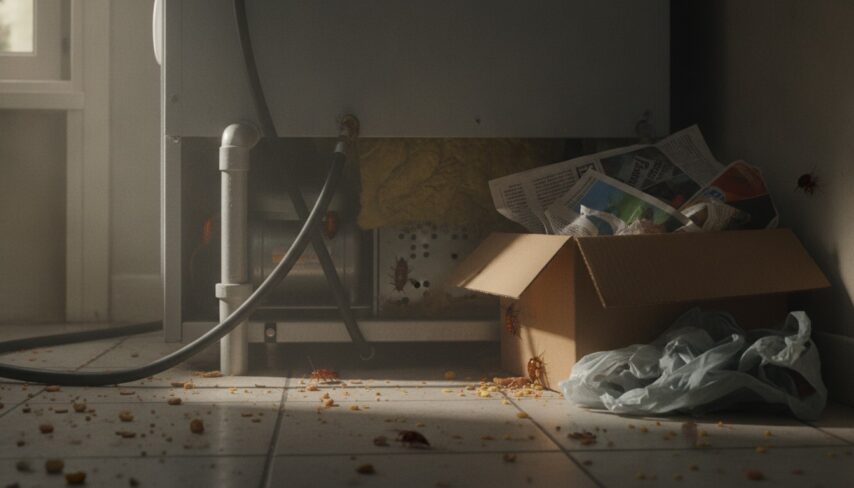
humid-back-of-fridge-harboring-roaches

You open the kitchen at night in July and see a fast-moving roach slip under the stove, or you find fresh droppings on the counter after a humid storm. Those small, unsettling moments often mark the start of a summer struggle with German cockroaches, Blattella germanica, a species that reliably exploits heat and humidity and generally prefers warm climates. Warmer, moister indoor microclimates shorten development times and boost survival, so a small spring problem can become a full infestation by mid summer unless you act quickly and strategically.

This article explains why July becomes cockroach season, how heat and moisture speed the life cycle, the early signs to watch for, inexpensive monitoring you can start tonight, immediate DIY fixes and prioritized next steps, when to call a licensed professional, and a seasonal maintenance checklist to reduce future spikes.

Quick, quotable facts

A German cockroach ootheca, or egg case, contains about 30 to 40 eggs. Female German cockroaches commonly produce multiple oothecae, often four to eight over a lifetime.

In warm, humid indoor microclimates, development from egg to reproductive adult can shrink to roughly 40 to 60 days. Cockroach allergens are a documented trigger for asthma and other respiratory problems, and sightings should be treated as a health concern when household members have respiratory sensitivities.

Why July becomes cockroach season

German cockroaches are poikilothermic, so higher ambient temperatures increase their metabolic rate and speed development across eggs, nymphs, and adults. Sustained warm indoor conditions, about 27 to 30 C or 80 to 86 F, compress generation time and allow populations to rise exponentially when combined with readily available food, water, and harborage.

Summer humidity from plumbing condensation, poorly vented dryers, leaking appliances, and basement dampness protects eggs and small nymphs from desiccation and improves survival rates. In multi unit housing, shared plumbing, wall voids, and common trash or laundry rooms let infestations spread quickly after a hot, humid period, so coordinated building responses greatly improve outcomes.

How heat and humidity accelerate the German cockroach life cycle

Under favorable summer microclimates, a single female can produce multiple oothecae, each holding roughly 30 to 40 eggs, and commonly produce four to eight oothecae over her life. When temperature and humidity are favorable, development from egg to reproductive adult can shorten to about 40 to 60 days, while cooler or drier conditions can stretch the same process to several months.

The practical implication is simple: one female in a humid harbor can seed rapid local expansion within a few 6 to 8 week cycles. Early detection and prompt, targeted action therefore matter more in summer than at other times of year.

Early signs a summer infestation is brewing

The most urgent direct sign is nighttime sightings of adult roaches, and a daytime sighting often indicates heavy pressure. Indirect indicators include rice‑grain or pepper‑like droppings, oily smear marks near sinks and behind appliances, intact oothecae tucked into cabinet corners or voids, and in severe infestations a musty oily odor.

Begin inspections in heat and moisture hotspots such as behind and under refrigerators, stoves, and dishwashers; inside cabinets, pantries, and under sinks; and in plumbing chases, laundry rooms, trash rooms, and shared building conduits. For measurable monitoring, place two to four glue traps in likely hotspots for seven days and record catches weekly, since consistent trap catches, especially of nymphs, indicate on site reproduction and the need for targeted treatment.

DIY summer prevention and quick fixes you can do tonight

Start by removing food access and reducing attractants, storing dry goods and pet food in sealed plastic or metal containers, not leaving pet food out overnight, wiping counters and sweeping floors, cleaning under appliances, rinsing recyclables, and securing trash lids.

Address water sources and humidity by fixing leaky faucets, emptying standing water from sinks and pet bowls, clearing condensate drip paths, and running exhaust fans or using a dehumidifier in damp basements. For quick exclusion, seal visible gaps around pipes and baseboards with caulk or low expansion foam and reduce clutter and cardboard where roaches can hide.

Place labeled bait stations designed for German cockroaches in kitchens and bathrooms where glue traps indicate activity, and avoid broadcast sprays that typically drive roaches deeper into voids, since targeted gel baits and crack and crevice work are more effective for most household scenarios.

Product and technique expectations

Use protein plus carbohydrate bait formulations that list German cockroach attraction and follow the label directions; if you’re unsure which to use, choose the right cockroach control products. Rotate bait formulations after two to four weeks if there is little reduction in activity, because localized resistance can occur.

Combine sanitation, moisture control, baiting, and monitoring and you may see a visible drop in sightings within one to two weeks, though complete control of heavier infestations often requires multiple weeks and follow up work. Glue traps checked weekly provide a measurable baseline and help you decide whether to continue DIY methods or call a professional. Keep records of trap counts and bait placements so you can communicate effectively with a technician if you escalate to professional treatment.

When DIY is not enough: professional treatments

Contact a licensed pest control professional when you observe daytime activity, many roaches at night, involvement of multiple units or rooms, household members with asthma or severe allergies, or when baits produce little effect after two to four weeks, which can suggest resistance.

Effective summer professional programs typically begin with a full inspection of units, shared chases, and common areas, followed by targeted gel baits placed in cracks and voids, and the use of insect growth regulators such as pyriproxyfen or hydroprene to interrupt reproduction. Technicians should perform exclusion and sealing work where needed, include monitoring with traps, and schedule follow ups, often two to four visits over four to eight weeks depending on infestation severity. Ask for an integrated pest management plan in writing that specifies inspection scope, materials used, exclusion steps, and the follow up schedule.

Long term summer proofing and seasonal maintenance

Perform a spring inspection and maintenance sweep before June to repair plumbing and HVAC condensate lines, replace worn weatherstripping, and install door sweeps on exterior doors to reduce entry points. From May through September, maintain monthly pantry and food storage checks, remove cardboard and clutter, take trash out nightly during warm months, and keep outdoor bins several feet from entryways when possible.

Inspect used appliances and furniture for signs of roaches before bringing them indoors and periodically seal utility penetrations and baseboard gaps with caulk or foam. Households that complete a spring inspection, seal major gaps, fix leaking appliances, and maintain baits and traps through the summer commonly prevent the typical July spike and keep roach activity minimal year round.

Common questions

Why are there more cockroaches in summer? Warmer indoor temperatures and higher humidity shorten development times and increase survival of eggs and nymphs, allowing generations to compress to roughly 40 to 60 days under optimal conditions.

How fast do German cockroaches breed? Each ootheca contains about 30 to 40 eggs and females commonly produce multiple oothecae, often four to eight, so populations can expand rapidly across several 6 to 8 week cycles in favorable summer conditions.

Do home remedies such as baking soda or essential oils work? Those methods may repel or briefly reduce numbers but are unlikely to control established populations; prioritize sanitation, exclusion, monitoring with traps, and properly placed baits or professional integrated pest management treatments.

Are cockroaches dangerous to health? Cockroach allergen exposure is linked to asthma and can exacerbate respiratory symptoms, and roaches can contaminate food and surfaces, so if anyone in the household has asthma treat sightings as an urgent health concern and consider professional help.

When to contact a professional

Call a licensed pest control professional if you see repeated daytime sightings, heavy trap counts after two weeks of baiting, multiple units affected in multi unit housing, or if household members have asthma or severe allergies that elevate the health risk.

Also contact a pro if properly placed baits produce little effect after two to four weeks, which may indicate resistance or hidden harborage that requires targeted crack and void work. A good professional will inspect shared conduits and common areas, provide a written IPM plan, and schedule follow ups until activity drops to acceptable levels. Expect follow up visits and monitoring over several weeks rather than a single one time service for established summer infestations.