


Should You Skip Pest Control in Winter?

Updated for 2025

Winter pest control helps keep rodents and overwintering insects from settling inside your home and makes structural entry points easier to find and seal. A winter inspection, combined with exclusion, humidity control, and good sanitation, often prevents the spring infestations many homeowners notice later.

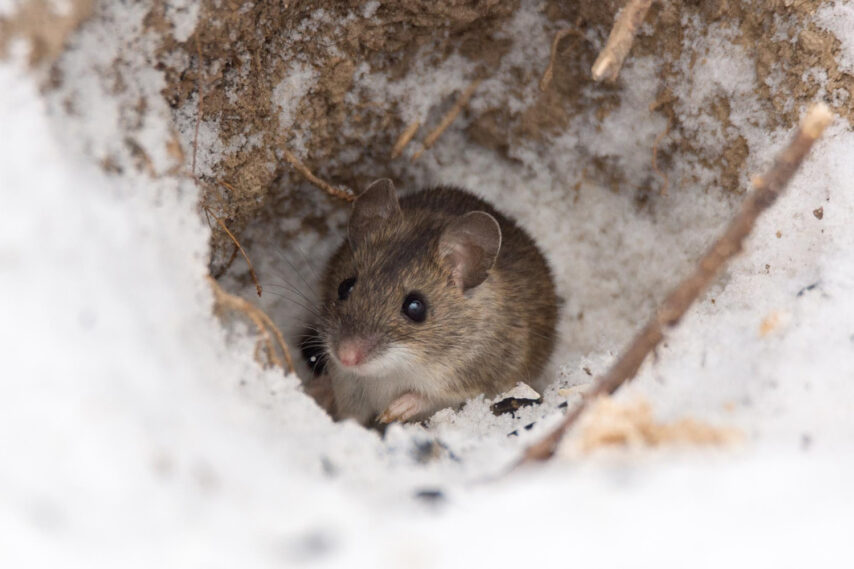
Wintering Mouse

Do You Really Need Pest Control In Winter?

Yes. When you skip winter pest control, you give rodents and overwintering insects time to settle deeper into your home. In my years inspecting houses through December and January, I have seen more early infestations and hidden entry points in winter than any other season. Cold weather pushes pests toward heat and food, and the bare structure makes their pathways easier to read.

It is easy to assume the cold shuts everything down. The reality inside a house is very different. Rodents stay fully active once they are indoors, and many insects simply move into wall voids and attics instead of dying off. Winter also changes how moisture behaves in basements and crawl spaces, and that draws pests into those quiet corners. A careful winter inspection, combined with a few solid IPM steps, often prevents the spring surge that most people notice later.

Why Are Rodents So Active In Winter?

Rodents breed throughout the year when they have shelter and a reliable food source. A gap wider than one quarter of an inch is all a mouse needs to squeeze in, and they will follow warm air and food odors straight toward kitchens, laundry rooms, and insulation. Once they are inside, they contaminate food, chew on wiring, and leave droppings and urine in insulation and storage areas. That faint rustle behind the drywall on a cold night is usually your first warning.

The CDC and university extension programs have documented this spike in winter rodent activity as outdoor food sources drop off. In the field, I see the same pattern every year. If you notice droppings, gnaw marks, or trails along baseboards, the guide How to Get Rid of Mice walks through the signs and control methods step by step.

Do Insects Die Off In Winter, Or Do They Move Inside?

Most insects overwinter rather than die. Stink bugs, cluster flies, boxelder bugs, and multicolored Asian lady beetles slip behind siding or into attic spaces in late fall. They settle into small cracks and voids until indoor heat or a stretch of sun on a south-facing wall warms them up. When you see a handful of insects gathering at a window on a bright winter afternoon, that is usually what you are seeing.

In my work, I find the highest density of these overwintering insects tucked behind trim, near soffit vents, and along rooflines that get steady sun. They can sit quietly for weeks, then appear almost overnight when temperatures shift. That stop and start pattern is normal, and it is one of the reasons winter monitoring is so valuable.

Can Moisture Problems Make Pests Worse In Winter?

They do. Winter heating dries the air you breathe, but it also reduces ventilation and creates warm, moist pockets in basements and crawl spaces. Warm indoor air that meets cold surfaces condenses, and those damp spots attract silverfish, German cockroaches, and several pantry pests. Once they find a reliable source of moisture, they tend to stay close.

Research from the University of Kentucky Extension shows that German cockroaches maintain stable populations in heated buildings because food and moisture stay available all year. I see the same thing in multifamily housing and older basements with poor drainage. If your basement consistently reads above fifty percent humidity, you are more likely to see winter pest activity, even when the temperature outside is well below freezing.

Is Winter Really The Best Time For A Home Inspection?

Often it is. Once leaves and ground cover die back, structural gaps, rodent runs, and old nest sites become much easier to see. I have found carpenter ant galleries, active rodent tunnels, and compromised flashing in midwinter that would be hidden by vegetation in June. With the landscape quiet, the house itself tells more of the story.

Winter also gives a clearer picture for Integrated Pest Management. Monitoring devices are easier to place and read, and patterns in droppings, rub marks, or insect activity are more obvious when outdoor pressure is lower. Professionally, this matches broader trends across the industry. The article Why Pests Invade Homes When Temperatures Drop explains how declining outdoor conditions push pests toward homes long before most people think about calling for service.

How To Protect Your Home In Winter

Start with exclusion. Walk the exterior slowly and look for any opening larger than a quarter of an inch, especially around utility lines, hose bibs, and foundation joints. Seal those spots with steel wool, copper mesh, or durable exterior sealants. These materials hold up well as the structure expands and contracts through freeze and thaw cycles.

Indoor humidity deserves the same attention. Aim to keep basements and crawl spaces below fifty percent relative humidity with ventilation, dehumidifiers, or drainage improvements. Lower moisture levels make conditions much less comfortable for silverfish, cockroaches, and other damp-loving pests. Basic sanitation still matters in winter. Store dry goods in sealed containers, wipe up crumbs and grease near the stove, and empty trash routinely so food odors do not guide pests through the house.

Firewood should stay outside the main structure. Stack it at least twenty feet from the home and keep it off the ground so rodents do not use it as shelter and then bridge straight to your siding. If you notice gnawing, droppings, or new insect activity despite these steps, schedule a winter inspection. A licensed professional can spot patterns you might miss and set up monitoring and exclusion before populations build.

FAQ

Should you skip winter pest control?

No. Winter pest control helps prevent rodents and overwintering insects from settling inside your home and makes it easier to find and seal structural gaps that stay hidden in warmer months.

What pests are most active in winter?

Mice, rats, cockroaches, silverfish, cluster flies, stink bugs, boxelder bugs, and lady beetles are among the species that commonly move indoors during cold weather and stay active around heated spaces.

When should you schedule a winter inspection?

Schedule an inspection between early December and late February, when vegetation is down, exterior entry points are easier to see, and indoor pest signs are clearer to interpret.

Pests Moving Indoors For Winter?

Connect with a local exterminator and protect your home fast.

(866) 470-1609

Available Next Day

No Obligation Assessment

Guaranteed Results