


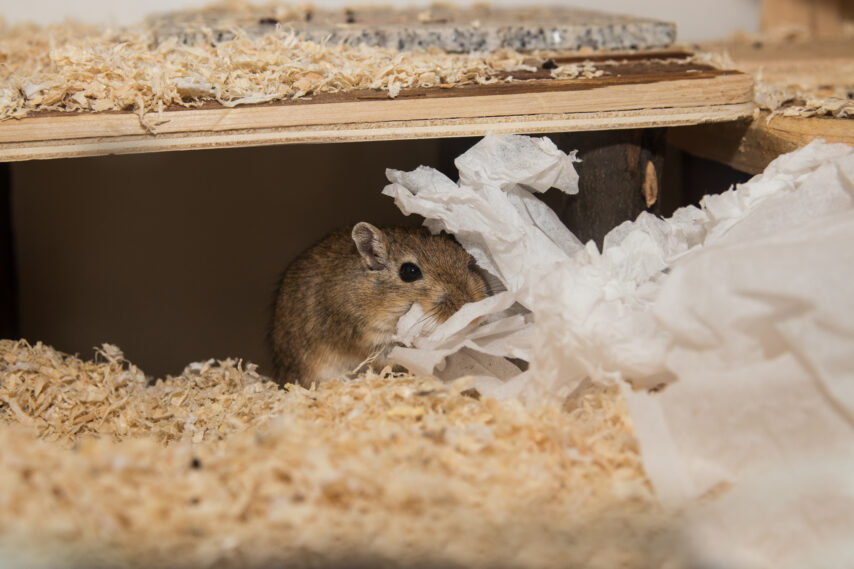
Rodent Season Is Here: What Every Homeowner Should Do Before Winter

Updated for 2025

Rodent season peaks in fall as mice and rats seek warmth and shelter indoors. By inspecting your home, sealing gaps, managing food sources, and maintaining sanitation, you can prevent infestations before winter begins.

close-up-mouse

Understanding Rodent Season

As nights turn cooler, rodents start searching for warmth, shelter, and food inside our homes. This annual movement, known as rodent season, begins each fall and peaks before winter sets in. Once mice or rats make their way indoors, they can chew through wiring, contaminate food, and multiply quickly in hidden spaces. Acting before temperatures drop below freezing is the best way to avoid a winter-long infestation.

Rodent season typically begins in early fall across most of the U.S. when nights fall below 50°F. At that point, outdoor food sources decline and rodents begin following air currents, odors, and heat escaping through small gaps around foundations or vents. Common invaders include the house mouse (Mus musculus), Norway rat (Rattus norvegicus), and roof rat (Rattus rattus). Each is highly adaptable and capable of surviving year-round indoors once they establish a nest.

Mice and rats don’t hibernate. They stay active and breed continuously, so even a single pair can turn into dozens before spring. In my years inspecting homes, I’ve seen how one unnoticed gap along a sill plate can lead to a full attic infestation within weeks. Fall is the critical window to stop that from happening.

Why Rodents Move Indoors In Fall

When the weather shifts, rodents begin seeking shelter near heat sources such as water heaters, ovens, or boiler rooms. Shorter days and colder nights also disrupt foraging behavior, pushing them to explore buildings through cracks no wider than a pencil. Entry points often appear around utility penetrations, damaged vent screens, and garage doors that no longer seal tightly. Once one rodent squeezes through, scent trails left behind attract others to the same path.

Early Warning Signs Of Rodent Activity

You’ll usually notice early signs before spotting an actual rodent. Fresh droppings, small, dark, and pointed at both ends, collect along walls, under sinks, and behind appliances. Gnaw marks on food packaging or electrical cords are another giveaway. Greasy rub marks often appear on baseboards where rodents run along the same route nightly. Pets also pick up on activity before humans do; a dog that fixates on a particular wall or a cat that watches a cabinet corner often signals a hidden nest.

To help you confirm whether droppings are mouse-related, see our guide on mice droppings identification.

Home Inspection And Exclusion Steps

A full home inspection is your first and most effective step. Start outside, walking slowly around the foundation and checking for any openings larger than ¼ inch. Seal them with steel wool pressed tightly and capped with caulk or metal mesh. Replace damaged door sweeps and check garage seals for gaps where daylight shows through. In attics, inspect insulation near vents for droppings or shredded materials, and make sure vent screens are intact. Rodents often use downspouts and utility lines as access routes, so trimming branches and securing exterior openings can stop many infestations before they start.

Sanitation And Food Control

Inside, good sanitation keeps them from settling in. Store dry goods, pet food, and birdseed in airtight plastic or metal containers rather than paper or cardboard. Wipe kitchen surfaces daily and vacuum regularly to remove crumbs. Keep storage areas tidy and off the floor, especially in basements and garages where clutter provides ideal nesting cover. I’ve seen countless infestations that began in a forgotten box of decorations or stored bags of dog food. Small changes in storage and cleanliness make a measurable difference.

Safe And Effective Control Methods

If you find evidence of rodents, follow Integrated Pest Management (IPM) practices: exclusion, sanitation, and monitoring. Snap traps are the most reliable control tool indoors when placed correctly, along walls, behind appliances, and near droppings. Secure bait firmly to the trigger so rodents can’t remove it without activating the trap. Avoid loose poison baits inside living spaces, as they can create odor problems and risk secondary poisoning for pets. Outdoors, tamper-resistant bait stations positioned along exterior walls or behind trash bins can control perimeter populations safely.

Public health guidance underscores that rodenticide use should be aligned with label directions and regulatory safeguards. For general homeowners, the U.S. Environmental Protection Agency advises the use of bait stations and other consumer-safe practices to minimize risk to children, pets, and wildlife. Learn more from EPA’s guidelines on safe rodent bait use.

Professional pest control becomes especially valuable in fall. A licensed technician can identify hidden access points, install exclusion materials, and design a monitoring program that prevents future activity. Acting before the first frost allows time to seal and stabilize your home environment before rodents begin nesting indoors.

Long-Term Prevention And Monitoring

Long-term prevention depends on maintenance and vigilance. Inspect entry points every few weeks during winter and recheck any areas you previously sealed. Keep firewood stored at least 20 feet from your foundation and a foot off the ground. Clear leaves and debris from gutters to eliminate roof access. Trimming vegetation around the perimeter of your home reduces cover that rodents use to approach unseen.

At Pests.org, we’ve reviewed data from multiple state pest management associations showing homes with seasonal inspections experience significantly fewer rodent infestations overall. Regular monitoring keeps problems small and manageable rather than costly and persistent.

Trying to get rid of mice & rats this season?

Get a FREE Quote & BEST PRICE from a local exterminator

(866) 470-1609

Available Next Day

No Obligation Assessment

Guarantee Results