


How to Keep Rodents and Insects Away from Your Furnace

Updated for 2025

Warm air and moisture from your furnace can draw pests like mice, cockroaches, and spiders into utility spaces during cold weather. Keeping the area clean, sealed, and properly ventilated prevents infestations and protects your HVAC system from damage.

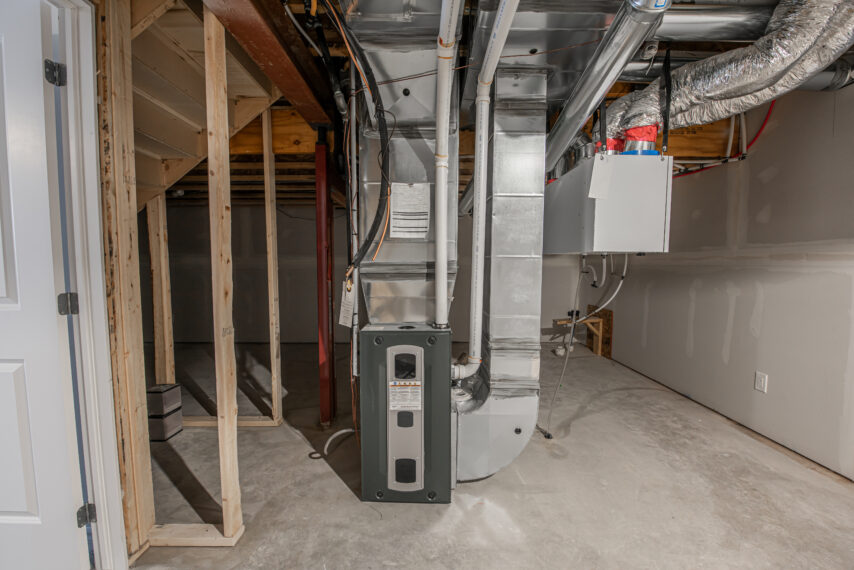
HVAC system inside a utility closet room of house basement with

Why Heat Sources Draw Pests Indoors

Furnaces and other heat generating systems create small pockets of warmth that draw pests indoors as temperatures drop. Rodents, cockroaches, and spiders are especially drawn to these areas because they offer both shelter and stable conditions. In many homes, the furnace room becomes a hidden refuge during late fall and winter, when outdoor environments turn harsh and food sources disappear.

Warmth is a biological trigger for many species. Mice, rats, and insects rely on external temperatures to regulate their activity, so they gravitate toward warmer microclimates. A furnace, water heater, or dryer vent provides exactly that: consistent heat, darkness, and protection from predators.

As outdoor temperatures fall below 50°F, pests begin seeking structural access points, cracks around utility lines, gaps near vents, and loose foundation seals. Even a quarter inch opening near a furnace intake or exhaust allows a mouse to slip through. The combination of warmth and moisture around these systems makes them particularly appealing.

You’ll usually see increased pest activity in basements, crawl spaces, and utility closets from late October through February. That is the period when infestations tend to establish and expand.

Rodents: The Most Common Furnace Intruders

Rodents account for the majority of winter pest calls I receive. Mice and rats seek warm, enclosed areas where nesting materials and access to nearby food sources are easy to find. Furnace rooms check every box.

When nesting near heat sources, rodents shred insulation, paper, or stored cardboard to line their nests. They chew through wires and flexible ducts, creating fire hazards and expensive HVAC repairs. The National Pest Management Association reports that rodent related electrical damage contributes to a significant share of unexplained house fires.

Typical warning signs include droppings near vents or around the furnace base, shredded debris, or a faint musky odor. You might also notice scratching or squeaking sounds at night as they move through ductwork or wall voids. Once established, rodents multiply quickly, house mice can produce up to eight litters a year.

If you suspect an infestation, review identification details here: Mice Droppings – Identification, Risks, Dangers.

Insects And Spiders Around Heat Sources

Insects respond to temperature shifts just as strongly as rodents. Cockroaches, silverfish, and spiders seek out the warm, humid air circulating around mechanical systems. I often find German cockroaches clustering behind furnace panels or beneath the water heater drip pan where condensation accumulates.

The warmth accelerates their life cycles. A cockroach egg case that takes 60 days to hatch in a cold kitchen may develop in half that time near a heat source. Silverfish feed on paper and dust, thriving where lint or cellulose collects. Spiders follow, attracted by the abundance of prey insects.

Consistent humidity above 50 percent sustains insect activity. Utility rooms with poor ventilation or minor water leaks often become long term breeding grounds, especially when clutter or cardboard storage provides cover.

Structural And Sanitation Factors That Make Furnaces Attractive

In my years inspecting homes, I have learned that pests rarely enter by chance. Most infestations trace back to small but consistent structural flaws. Gaps around vent pipes, poorly sealed duct penetrations, or spaces where electrical lines enter the wall all create easy routes indoors.

Once inside, clutter and poor sanitation complete the habitat. Stacks of boxes or old insulation trap heat and moisture, allowing pests to nest undisturbed. Even a thin layer of dust or spilled pet food in the furnace area can sustain roaches or mice for weeks.

Poor airflow compounds the problem. When air circulation is blocked by stored items or debris, humidity rises and condensation forms. That is often when pests settle in, turning a simple utility space into a year round harbor.

For broader seasonal context on prevention, see our guide: Why Pests Invade Homes When Temperatures Drop.

How To Pest Proof The Area Around Your Furnace

Preventing infestations begins with exclusion and cleanliness. Seal any opening wider than a quarter inch using steel mesh or silicone based caulk. Around vent pipes or conduit lines, apply heat resistant sealants to maintain durability.

Maintain at least two to three feet of clear space around your furnace. This improves airflow and eliminates hiding areas. Replace cardboard boxes with sealed plastic storage bins and keep combustible materials well away from any heat source.

Dust and vacuum the area regularly, paying special attention to corners and behind the furnace cabinet. Lint buildup attracts pests and increases fire risk.

Schedule both HVAC and pest control inspections at least once per year, ideally before heating season. Technicians identify gaps, leaks, or nesting evidence that homeowners often overlook. If you use traps, choose mechanical snap traps or enclosed bait stations placed along wall edges, never inside or on top of the furnace itself. Always follow EPA guidance for safe indoor pesticide use: EPA Pesticides.

When To Call A Professional

If you notice wiring damage, heavy droppings, or persistent insect activity, professional intervention is necessary. Integrated pest management is most effective when pest control and HVAC professionals coordinate their efforts. An HVAC technician can repair breaches in ductwork or insulation while a licensed pest expert addresses the root infestation.

Attempting to treat furnace areas without experience is risky. Heat and airflow affect how baits and insecticides perform, and applying them incorrectly can cause fumes or system contamination. A qualified pest control technician focuses on exclusion, sanitation, and monitoring rather than broad chemical use, keeping your home safe and compliant with EPA standards.

The goal is long term prevention. Once your home’s structural gaps are sealed and sanitation practices improved, most pests stop targeting these areas.

Pests Moving Indoors For Winter?

Get a FREE quote from a licensed pest control expert today.

(866) 470-1609

Available Next Day

No Obligation Assessment

Guaranteed Results