Can Pests Survive Winter? How Cold Weather Changes Pest Behavior

Updated for 2025

Most pests survive winter by entering diapause, sheltering in protected areas, or moving into heated structures. Rodents, cockroaches, and several overwintering insects often become more active indoors during cold months. Understanding these patterns helps you reduce winter infestations and prepare for spring activity.

Bug in Winter

Can Pests Survive Winter, And What Actually Happens To Them When Temperatures Drop?

Most pests survive the winter and shift their behavior to match colder conditions. They slow their metabolism, look for insulated pockets, or move indoors where temperatures remain stable. In my years inspecting homes through cold seasons, I have seen insects and rodents settle into wall voids or attic insulation quickly once outdoor temperatures fall below freezing. Winter rarely wipes out pest populations, it changes where they hide and how active they remain.

Cold weather also changes the balance inside your home. You spend more time indoors, and pests follow warmth and moisture into the same spaces, so you often notice activity more as the season progresses.

How Cold Weather Influences Pest Survival

Biological timing drives most winter behavior. Shorter days and falling temperatures act as the main triggers, and food scarcity pushes many species into survival mode. Some insects cannot tolerate any freezing inside their tissues, while others increase natural antifreeze compounds that protect their cells. Around most homes, sheltered areas like crawlspaces, leaf litter, and insulated soil provide enough warmth to keep pests alive from one season to the next.

You see this pattern in older homes with vented crawlspaces. The air temperature stays just warm enough to let insects overwinter in pipe chases and between joists, even after several hard frosts, so populations carry straight into spring instead of resetting each year.

How Do Insects Survive Freezing Temperatures?

Many insects rely on diapause, a suspended developmental state that conserves energy and increases cold tolerance. Ants, beetles, paper wasps, and many stored product pests use this strategy, and I often find insects in diapause inside unheated barns and sheds well into midwinter.

Freeze avoidant insects, including cockroaches and many mosquitoes, stay alive only where temperatures remain above freezing, and they gravitate to boiler rooms, kitchen appliances, and mechanical closets that hold a steady temperature, a pattern described by Iowa State University Extension.

Freeze tolerant insects, like certain beetles and wasps, produce cryoprotectants that allow limited freezing without damaging their cells, another adaptation documented by Iowa State University Extension. Most overwinter outdoors but stay close to structures. Soil, mulch, firewood stacks, and leaf litter create a buffer that prevents lethal freezing, and small warm pockets around foundations give insects everything they need to survive until spring.

What Do Rodents Do During Winter?

Rodents do not slow down in cold weather. They move to homes, garages, and sheds whenever night temperatures fall near the 40°F range. Indoors, they reproduce quickly and settle into predictable routes along walls, insulation edges, and stored boxes. In my experience, early signs show up as faint scratching behind baseboards or a line of droppings near utility rooms.

Any opening wider than a quarter inch gives mice a way inside. They take advantage of gaps under doors, around foundation penetrations, and along loose siding, and once they settle in they build nests in insulation or stored belongings. For a deeper look at how this plays out each year, see the seasonal guidance from Pests.org on rodent season preparation.

What Happens To Common Household Pests In Winter?

Ant colonies retreat deeper underground as soil temperatures fall, and small warm pockets inside homes, especially near plumbing or heated foundation walls, can create brief periods of ant activity. PestWorld notes that this underground shift is one of the main reasons ants seem to disappear outdoors in winter.

Termites stay active anywhere temperatures remain above freezing below the frost line, so heated crawlspaces and basements often support continuous foraging. That is why winter termite inspections remain important, and why PestWorld emphasizes year round termite awareness.

Spiders usually live indoors year round. Winter does not draw them inside, but you tend to notice them more because your own indoor activity increases and you are simply looking at the same walls longer.

German cockroaches cannot survive sustained freezing outdoors, although they thrive in warm indoor areas like kitchens or laundry rooms. I often find them clustered around refrigerator motors and water heaters where temperatures stay consistent, a pattern also highlighted by PestWorld.

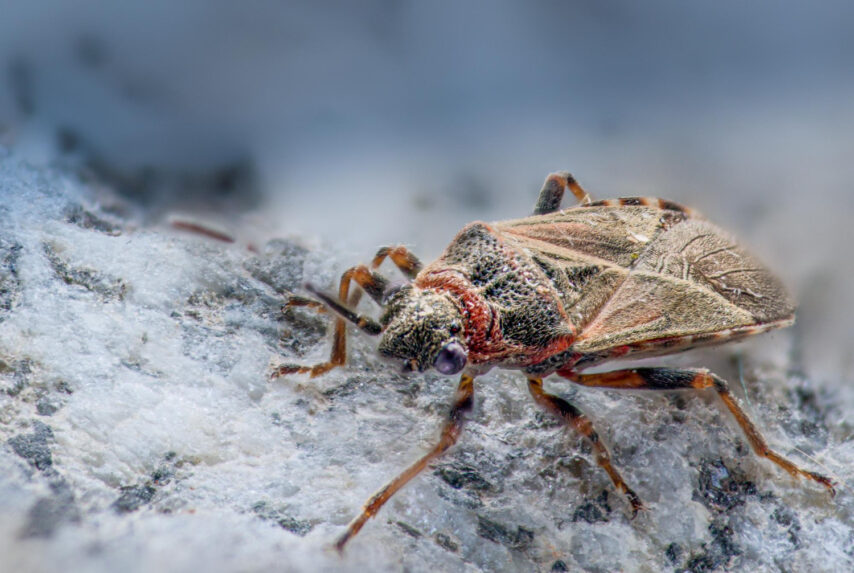
Stink bugs, boxelder bugs, and cluster flies gather on sunny exterior walls in fall and slip into wall voids until spring. Homeowners usually discover them again on warm afternoons when indoor temperatures rise just enough to stir dormant insects. If you are dealing with stink bugs specifically, Pests.org has a detailed guide on removal and exclusion.

Bed bugs remain stable year round because they rely entirely on indoor environments for survival, and winter temperatures outdoors do not affect them at all.


Why Indoor Pest Activity Often Increases In Winter

The indoor climate stays steady through the coldest months, which makes your home ideal habitat. Kitchens and bathrooms provide moisture, basements hold humid air when ventilation is poor, and attics stay warm along rooflines. Once pests move inside, they avoid the daily temperature swings that naturally slow activity outdoors.

Homeowners often tell me they start seeing insects right when the weather turns cold. You spend more time inside during winter, so activity that went unnoticed in summer becomes obvious. It is the same seasonal pattern I hear described in almost every winter inspection, and usually the pests have been present for weeks or months before you first spot them.

How Winter Weather Impacts Spring Pest Pressure

Winter conditions shape the spring season more than most people realize. Hard freezes reduce some insects, although insulated soil and structural shelter protect many others. Mild winters, which have become more common in many regions, allow ticks, mosquitoes, overwintering beetles, and rodents to survive at higher rates. Early spring pest calls usually reflect the winter that came before them.

Carrying stored decorations, firewood, or patio items back into living spaces can also bring overwintering insects with them, which adds to early season activity. Research on climate and pest dynamics, such as work summarized in Agriculture, Ecosystems and Environment, shows how warmer winters are already changing pest pressure timelines.

Integrated Pest Management For Winter

Integrated Pest Management relies on exclusion, sanitation, moisture control, and monitoring before any targeted treatments. Sealing exterior gaps is always the most effective winter step. A mouse only needs a quarter inch opening, and closing those early prevents most indoor activity.

Moisture control comes next. Fix leaks around sinks or appliances, manage humidity in basements or crawlspaces, and improve airflow in storage areas. Good sanitation removes food sources that sustain insects and rodents through winter, and regular vacuuming in kitchens and pantries makes a measurable difference. Monitoring with traps shows you how pests are moving and where they are nesting, which helps you and any professional you hire focus efforts in the right places.

When winter activity continues despite these steps, a licensed pest professional can help identify concealed entry points and apply EPA compliant control methods where necessary. The U.S. Environmental Protection Agency offers clear guidance on rodent prevention that aligns closely with these IPM principles.

Key Home Areas Where Overwintering Pests Thrive

Attics attract rodents when soffit vents loosen or insulation becomes disturbed. Once a nest is established in insulation, rodents follow the same routes along rafters and joists until those access points are sealed, so early detection in these spaces matters.

Basements and crawlspaces are common winter refuges because moisture levels stay high. Foundation cracks and plumbing penetrations often connect straight to the soil, and pests follow those pathways into the structure. You usually see activity rise in late winter as ground moisture increases and saturated soil pushes insects toward drier voids.

Garages and sheds offer steady shelter, especially when firewood, cardboard, or seasonal storage stays in place for months at a time. Those spaces hold consistent temperatures that many insects need for winter survival, and they often serve as the first staging area before pests move into interior rooms.

Exterior perimeters matter just as much. Mulch, leaf litter, and siding gaps retain enough warmth to protect insects during extended cold spells, which keeps early spring populations higher than you might expect even after a seemingly harsh winter.

Winter Pest Prevention Checklist

Late fall is the season for sealing gaps, removing leaf buildup around foundations, and securing stored items so they cannot harbor insects. Those steps prevent most overwintering issues and give you a cleaner starting point heading into winter.

Midwinter is when you check attics, inspect for fresh rodent trails, monitor traps, and correct any humidity problems. By that point pests have settled into their winter patterns, and small adjustments to exclusion, moisture, and sanitation can still make a real difference.

Early spring brings the first signs of renewed insect activity. Refresh caulking around openings, improve drainage where water collects, and watch for ant trails near structures as temperatures rise. As you work through these steps, you will notice how closely pest activity tracks the way your home holds heat and moisture from one season to the next.

Pests Moving Indoors For Winter?

Connect with a local exterminator and protect your home fast.

(866) 470-1609

Available Next Day

No Obligation Assessment

Guaranteed Results

“`