


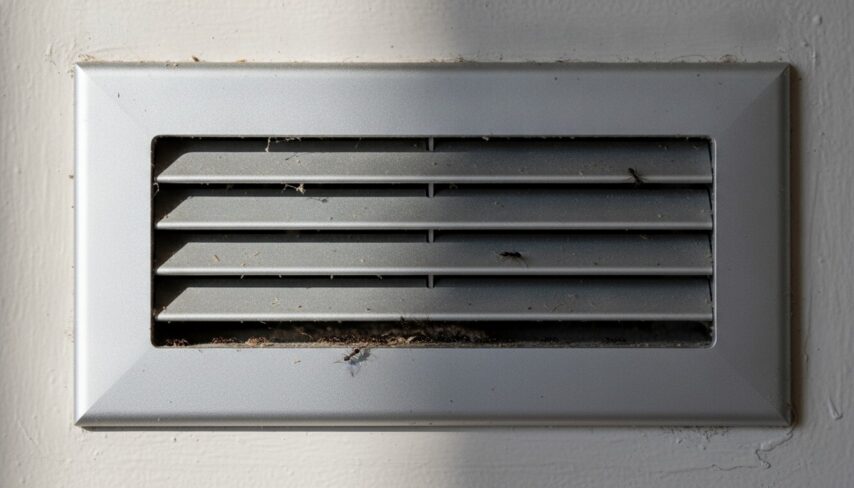
Ants Want Your Air Conditioning, Too

Updated for 2026

Many ant workers can enter through gaps as small as 1/16 inch (about 1.6 mm). Liquid sugar baits usually work best in hot, dry months when ants prioritize carbohydrates and water. Keep mulch and dense plantings 12 to 18 inches (30 to 45 cm) away from the condenser pad to reduce shelter and moisture near the unit.

ant-trail-into-ac-vent

Imagine a hot afternoon when your air conditioner hums and a line of ants heads toward the condenser or threads into a vent. During heat and drought, water often replaces food as the primary limiting resource for many ant species, so condensate, drip pans, and cool wall voids become attractive.

This guide explains why ants target HVAC systems, which species are most likely to invade, how they get inside, the real risks to comfort and equipment, practical prevention and do-it-yourself fixes, and when to call a licensed professional. Recommendations and inspection steps are actionable and based on extension and entomological sources.

Why summer heat and drought make your AC attractive

When outdoor water sources dry up and temperatures rise, your HVAC creates reliable moisture gradients that thirsty workers will exploit, including condensate lines, drip pans, and damp soil near the condenser [Citation 2].

Many species extend foraging into structures under these conditions, following moisture and cool microhabitats rather than kitchen food alone, which explains seasonal spikes in service calls during prolonged heat [Citations 2, 5]. Prioritize moisture control checks when your area experiences consecutive days above roughly 90 to 95 degrees Fahrenheit (about 32 to 35 °C) because early inspection of condensate lines and the condenser perimeter often reveals the conditions that attract ants before colonies establish trails into your home [Citation 3].

A focused check during heatwaves can stop an infestation before it moves from the exterior into wall voids.

Which ant species target HVAC equipment and why

Several species commonly exploit moisture around HVAC equipment, and knowing which ones you have helps match bait and tactic. Odorous house ants, Tapinoma sessile, are drawn to sugars and moisture and often form persistent trails from condensers into wall cavities and vents [Citation 2].

Argentine ants, Linepithema humile, form large cooperative colonies that aggressively exploit irrigation and condensate moisture, making them frequent invaders of cooling equipment and adjacent wall voids [Citations 5, 6]. Pavement ants readily nest under concrete and pads and will shelter under condenser stands, while carpenter ants are more likely to nest in damp framing or wood near HVAC penetrations and create structural galleries that need prompt attention [Citation 7].

Matching bait type to the target species’ seasonal diet, sugar versus protein, improves the chance of colony-level control, so identification or informed bait trials are worth the effort [Citations 2, 3].

How ants use HVAC equipment and the building envelope to get inside

Ants exploit many small defects to bridge from the condenser into living spaces, including gaps and degraded seals around refrigerant and electrical line penetrations, torn or loose duct boots, poorly screened vents, and clogged condensate drains that create pooling and trails [Citation 1].

Electrical disconnect boxes or service panels with unsealed penetrations are common trouble spots because they offer sheltered, warm voids that link directly to interior controls. To inspect, follow visible trails from the condenser toward the building, use a flashlight to examine seals and conduit penetrations, and probe for gaps with a thin feeler about 1/16 inch (1.6 mm) wide.

If you find sawdust-like frass or other evidence of excavation near framing, treat that as a strong indicator of carpenter ant activity and prioritize a professional evaluation rather than relying on DIY exclusion alone [Citation 7].

Risks, from nuisance activity to equipment and structural damage

Most ant activity around HVAC is a nuisance that results in indoor sightings, contamination of stored food, and unsightly trails, but there are real equipment and structural risks to watch.

Ants can nest in electrical disconnect boxes, sensor housings, or control modules, which can lead to shorts, sensor faults, or control failures, and technicians have documented condensate line blockages by dead insects and debris that caused interior water damage and equipment problems [Citations 2, 8].

Carpenter ants nesting in damp framing or trim near penetrations excavate galleries that can expand over time and compromise structural members if left unaddressed [Citation 7]. Call a licensed professional immediately if you find active carpenter ant galleries or frass, ants inside electrical panels or control housings, or recurring invasions despite reasonable exclusion and baiting efforts.

Practical prevention: short and long term steps you can take

Start by reducing the moisture attractants that draw ants to your HVAC, because addressing moisture often ends activity without further intervention. Clear and flush condensate drain lines monthly during the cooling season, ensure drip pans slope to the drain and remain free of debris, and repair leaks in refrigerant lines or condensate piping promptly after discovery; these fixes address the primary ecological driver of summer infestations.

Next, adjust site and landscape features that provide shelter or retain moisture near the condenser by keeping mulch, planters, and dense vegetation 12 to 18 inches away and removing wood debris, stacked lumber, and leaf litter within a few feet of the unit to reduce cover and humidity gradients [Citation 4]. These measures are low cost and durable when you inspect seals and the surrounding area regularly.

Durable exclusion and inspection cadence that reduce repeat visits

For durable exclusion, seal line set and electrical penetrations using closed cell backer rod followed by silicone caulk, or use closed cell expanding foam products rated for HVAC penetrations, and replace torn duct boots and repair vent screens so ants lose easy access to interior voids.

Place seals quarterly on your inspection list and recheck them after major weather events, because small gaps reopen or degrade over time. Use baiting strategically as the behavioral control of choice rather than broad surface sprays, placing liquid sugar-based baits along active exterior trails and near identified entry points during hot, dry months to encourage scout feeding and transfer back to the colony [Citations 2, 3].

Treat residual perimeter products and granular treatments as supplemental and temporary, follow label directions and local regulations, and prioritize exclusion and baiting as the integrated pest management foundation [Citation 3].

DIY baiting: safe, practical steps you can follow

When you use baits, choose EPA-registered or labeled ant baits for outdoor use and follow the product label strictly, because misuse reduces effectiveness and increases unintended exposure.

If you elect to use homemade sugar and boric acid mixes, place them in tamper-resistant stations and keep stations out of reach of children and pets to minimize risk. Place baits along active trails and near identified exterior entry points but never on or inside HVAC equipment or electrical components, and monitor bait uptake daily for three to seven days while removing old bait when intake declines.

If no bait uptake occurs after 48 to 72 hours, switch bait type from sugar to protein or consult a pest professional for species identification and targeted product selection, and remember that exclusion and moisture control should come first if you prefer to minimize pesticide use.

References, selected authoritative sources

Penn State Extension, Ants in the Home, covers inspection techniques and entry sizes and is a practical resource for homeowner inspections; see extension.psu.edu/ants-in-the-home [Citation 1].

The University of California IPM Program provides species pages and management recommendations for odorous house ants and Argentine ants; see ipm.ucanr.edu and related pestnotes [Citation 2]. PestWorld, the National Pest Management Association consumer site, offers seasonal guidance for homeowners dealing with pests, including ants and moisture-driven invasions [Citation 3].

Extension fact sheets from institutions such as the University of Minnesota, University of Kentucky, and Penn State summarize landscape and carpenter ant management, and HVAC and building maintenance advisories from contractor and manufacturer guidance, ENERGY STAR, and EPA resources help coordinate pest control with proper condensate and electrical enclosure repairs [Citations 4, 6, 7, 8]. Recent articles on ant responses to climate change and investigations into biological corrosion of copper tubing are relevant to seasonal foraging shifts and HVAC component longevity; see PubMed Central articles for details.